May 19, 2026
Garage doors are crucial for both the aesthetic and functional aspects of a home. They often go unnoticed until they start malfunctioning or impacting curb appeal. Here, we delve into the signs indicating it may be time to invest in a new garage door. An updated garage door can significantly enhance your home's exterior and increase its value. Understanding when to replace your garage door will save you from potential headaches and costly repairs down the line.
1. Increasing Repair Frequency
1.1 Significance of Frequent Breakdowns
Frequent breakdowns of your garage door can be more than just an inconvenience; they can disrupt daily routines and plans. If you constantly find yourself calling the repair technician, it might be time to evaluate the overall condition of your door. Each repair, although potentially minor in isolation, can add up both financially and in terms of time lost. Moreover, frequent issues can indicate systemic problems that might only deteriorate. Evaluating the underlying causes of these breakdowns can often lead to the conclusion that a new garage door is the most cost-effective solution.
1.2 Cost Analysis of Repairs vs. Replacement
When repairs cost more than 50% of a new door, it is time to consider replacing it. As parts age and the door's mechanisms become outdated, finding replacements can become both difficult and costly. While a new garage door initially seems like a larger investment, it often saves money in the long run by reducing repair needs. New doors typically come with warranties, providing peace of mind and financial protection against unexpected issues. Over time, the cost of frequent repairs will outweigh the investment in a new garage door.
2. Rising Energy Bills
2.1 Insulation Efficiency Over Time
Over the years, the insulation in garage doors can lose its effectiveness, leading to increased energy consumption. If you notice that your energy bills are consistently rising, it might be due to your garage door not holding in heat or cool air adequately. A well-insulated garage door can maintain a more stable internal temperature, reducing the need for heating or cooling in adjacent spaces. Newer doors are equipped with advanced insulation technologies, providing superior energy efficiency. Investing in a new garage door can be a strategic way to reduce energy costs.
2.2 How a New Garage Door Can Cut Costs
Modern garage doors offer impressive insulation options that significantly reduce energy consumption. With advanced sealing technologies, new doors are better equipped to keep external weather conditions from affecting your home’s interior. This energy efficiency translates directly into reduced utility bills, especially in climates with extreme temperatures. Furthermore, a well-insulated new garage door can protect stored items from temperature extremes, further enhancing their value. Overall, replacing an outdated door is an investment that can pay for itself over time through energy savings.
2.3 The Role of Weather Seals
Weather seals play a critical role in maintaining the energy efficiency of garage doors. Over time, these seals can deteriorate or be damaged, leading to drafts and increased energy usage. Newer garage door models often come with better sealing options that effectively block air leaks and prevent unwanted temperature exchange. This upgrade can dramatically reduce the workload on your home's HVAC system. Ensuring your garage door has effective weather seals is a small yet significant step toward a more energy-efficient home.
3. Outdated Design and Features
3.1 Aesthetic Relevance to Home Value
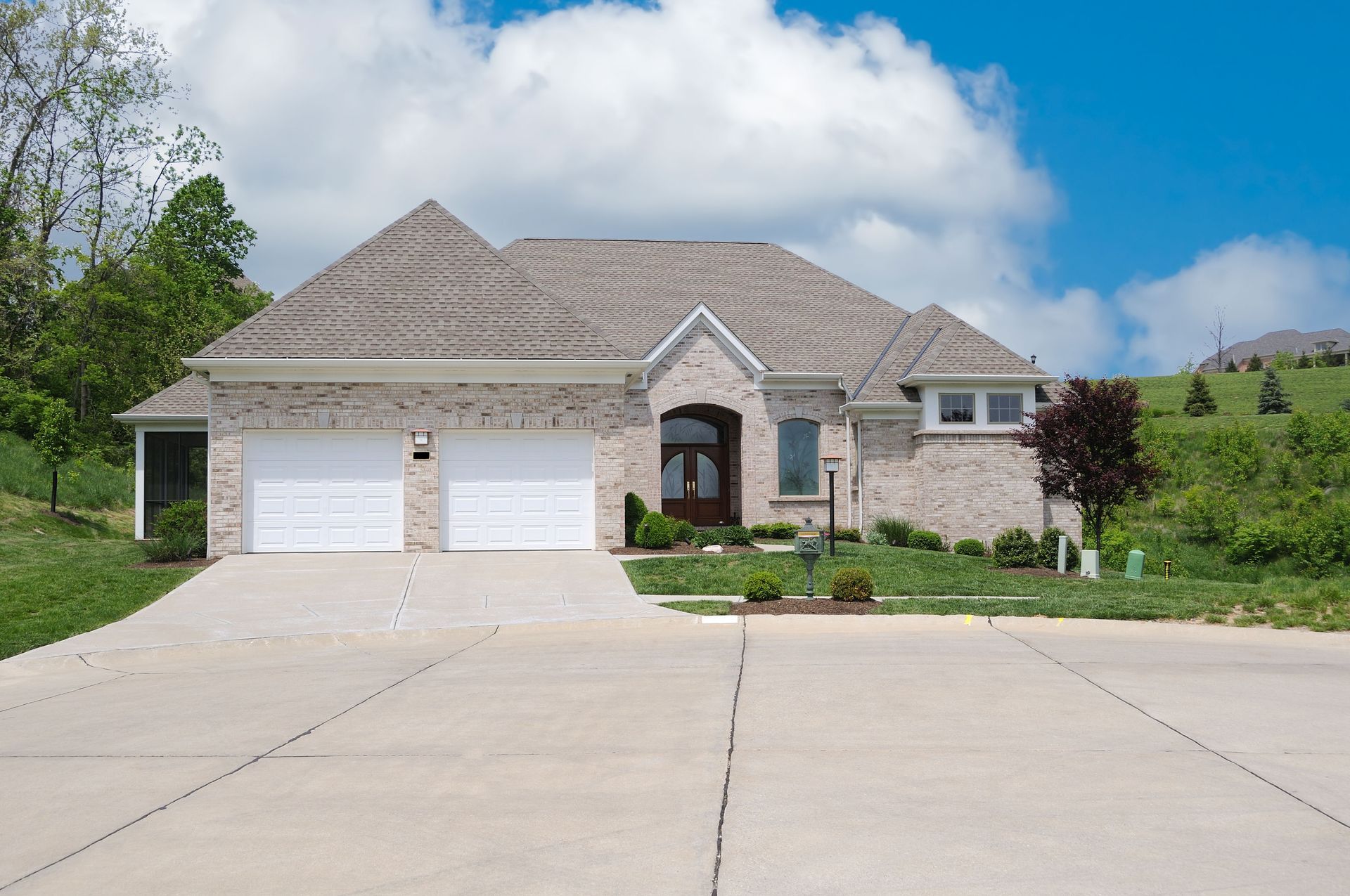
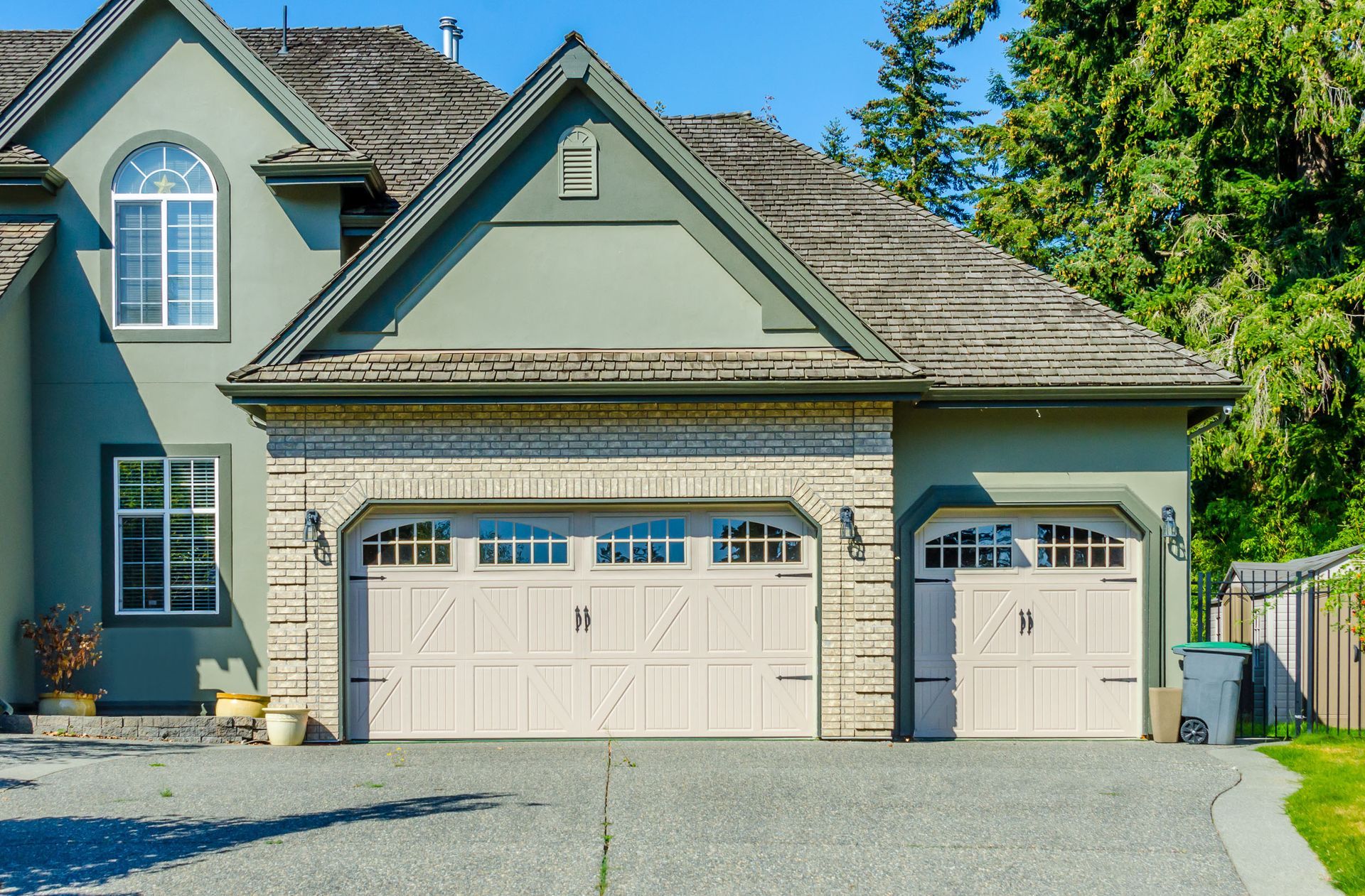
The design of your garage door plays a significant role in your home's overall appearance and curb appeal. An outdated door can diminish the visual appeal and, by extension, the market value of the property. A newly designed door can elevate a home's facade and contribute to a more modern and stylish exterior. Homeowners often find that upgrading their garage door is one of the most cost-effective ways to enhance their home’s appearance. According to This Old House, garage doors have a typical lifespan between 20 and 50 years, and updating them within this timeframe can be crucial.
3.2 Technological Advancements
Garage door technology has advanced significantly, offering innovations that increase convenience and security. Features such as smart integration, remote monitoring, and motion detection provide levels of functionality that older models can't match. Investing in a modern door can improve the security of your home, allowing you to control and monitor the door through smartphones or digital assistants. Technological advancements also offer improved safety features, reducing the risk of accidents or malfunctions. Embracing these improvements can radically enhance the utility of a new garage door.
4. Safety Concerns
4.1 Importance of Safety Features
Safety is a critical consideration in determining the overall viability of your garage door. Modern doors come equipped with a host of safety features designed to prevent accidents and injuries. Regular exposure to wear and tear can compromise these features in older doors, making them less reliable. Safety enhancements like auto-reverse mechanisms in new designs ensure that your door remains secure and trustworthy. Upgrading to a new garage door is not just about aesthetics or energy efficiency but ensuring a safe home environment for all inhabitants.
4.2 Avoiding Accidents and Injuries
The potential for accidents with older garage doors is significant, especially if safety features have failed over time. High tensions in springs and older mechanisms can pose real dangers if they malfunction. Modern doors have built-in sensors and auto-stop features to prevent untoward incidents, providing greater peace of mind. By replacing older models, you lower the risk of accidents and enhance the overall security for family members and visitors. Safety should never be compromised, and a new garage door is a proactive step toward ensuring it.
4.3 Diagnosing Faulty Sensors
Sensor aids on garage doors are essential for safe operation, automatically stopping and reversing the door if obstacles are detected. Over time, these sensors can become misaligned or break, leading to functional and safety concerns. New doors boast advanced sensor technology that is more reliable and less prone to failure. Regular testing and updates to these sensors are necessary to ensure optimal performance. If your existing door's sensors are failing frequently, replacement should be considered to uphold safety standards.
5. Structural Damage
5.1 Identifying Signs of Physical Deterioration
The physical condition of your garage door can reflect broader structural issues. Visible signs of damage, such as cracks or warping, can affect the door's functionality and safety. Over time, daily use and exposure to elements will cause wear that leads to inefficiencies in operation. Identifying these signs early can prevent further deterioration and potential hazards. Replacing a structurally compromised door ensures continued safety and efficiency in daily operations.
5.2 Rust and Corrosion Impact
Rust and corrosion are common issues affecting metal components of garage doors, especially in areas with high humidity or salt exposure. These can compromise the door's operation and aesthetic, leading to greater maintenance challenges. Once rust sets in, it can spread rapidly and weaken the structural integrity of the door. Replacing a door afflicted by rust with a more robust model, possibly using materials resistant to corrosion, can resolve these issues. This will ensure longevity and save additional repair or replacement costs in the future.
5.3 How Damage Affects Functionality
Structural damage not only affects the door's appearance but also its operational efficiency and safety. Damage can lead to misalignment, making it difficult to open and close the door properly. This can place additional strain on the garage door opener, risking further mechanical problems and increased wear. Replacement provides the opportunity to eliminate these inefficiencies and ensure smoother operation. The longevity and ease of operation of a new garage door cannot be overemphasized as a significant benefit.
The importance of a fully functional and aesthetically pleasing garage door cannot be overstated. Recognizing the signs that it's time for a replacement can save you money, increase your home's value, and ensure the safety and efficiency of your daily routines. Investing in a new garage door is often a wise decision that yields multiple benefits. By addressing issues such as increasing repair frequency, rising energy costs, and potential safety risks, homeowners can optimize the functionality and aesthetics of their home. Ultimately, a new garage door will not only improve the quality of life but also protect one of your home's most significant exterior features. For more information, contact Snappy Garage Doors.